
Taiwan Cracks Down on China's Access to Advanced AI Chips
Key Summary
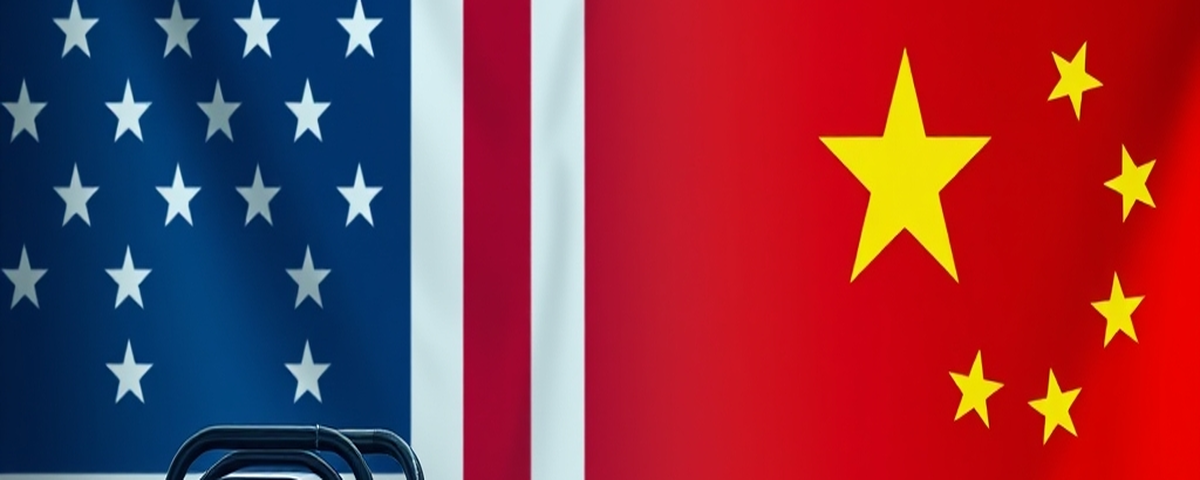
Taiwan has agreed to limit the export of advanced AI chips to China as part of a deal with the US, marking a significant shift in the island's approach to restricting Chinese access to cutting-edge technology. The move builds on US export restrictions put in place in 2022 and is part of a broader US-Taiwan trade agreement aimed at supporting semiconductor investments in the US. The restrictions are expected to have significant implications for Chinese firms and could lead to increased scrutiny of illicit trade in the region.
What Taiwan is changing
In June 2026, the Taiwanese government signaled plans to restrict sales of advanced AI chips to all Chinese customers. That is a meaningful step up from the old approach.Previously, the restrictions centered on specific blacklisted names, with Huawei being the best known. The new plan widens the net from a list of named companies to an entire country's customer base. The proposal also enables criminal penalties for chip smuggling for the first time. Moving chips through back channels shifts from a regulatory headache to something that can land people in court. Taiwan's Ministry of Economic Affairs confirmed in June 2026 that it was in ongoing consultations with the US on advanced chip rules.
How we got here
Taiwan's move builds on US export restrictions put in place in 2022, which were designed to limit China's military capabilities.AI, tech, and the markets they move—-in one daily briefing. Daily. Free. Join 34,000+ readers across crypto, finance, and policy.
Email address
Subscribe free
We respect your privacy. Unsubscribe anytime.
The broader relationship tightened further in January 2026 with a free trade agreement between the US and Taiwan. As part of that pact, Taiwanese firms, led by TSMC, pledged $250 billion in investments into US semiconductors and AI technology. Taiwan's semiconductor exports hit a record $87.22 billion in September 2026, up 60.9% year-on-year, driven largely by US demand.